Cameron Washington · 2 September 2026
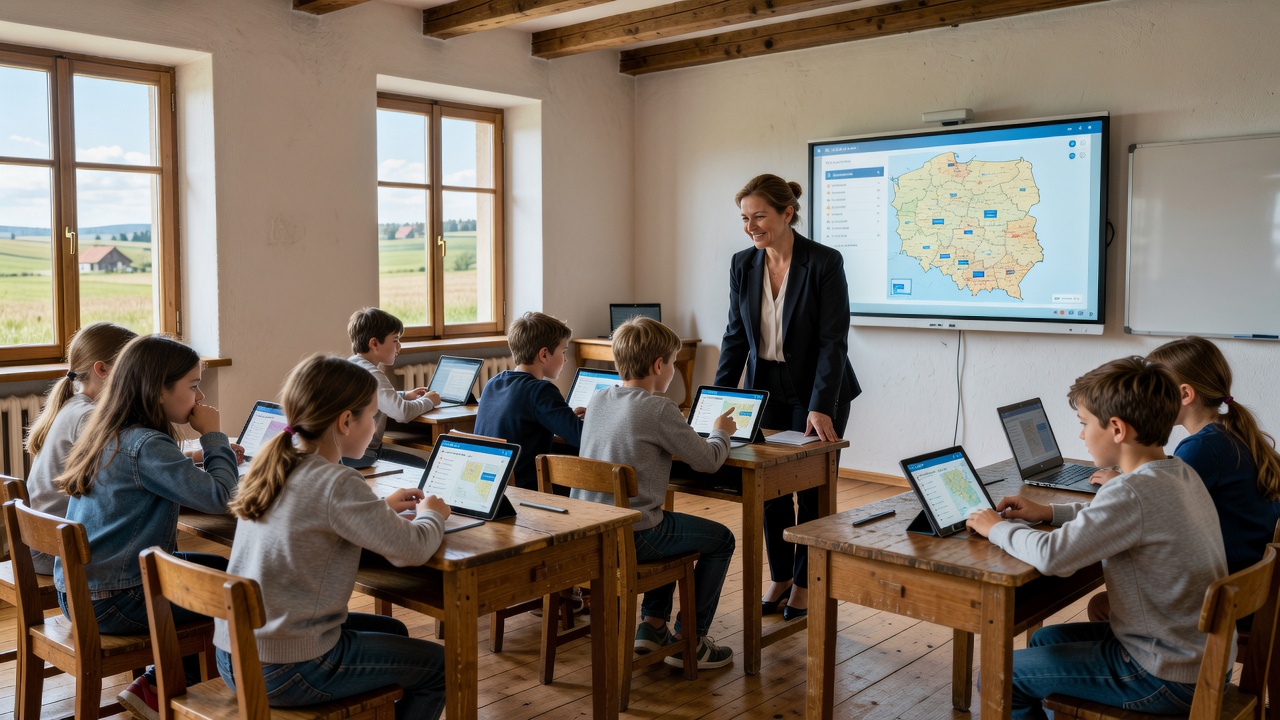
Poland is making significant strides in integrating digital tools into rural classrooms as part of a nationwide effort to improve educational equity. The initiative, supported by European Union funds, targets schools in less developed regions where access to technology has historically been limited. Officials aim to reduce disparities in learning opportunities between urban and countryside students through targeted investments in hardware, connectivity, and training.
Government Funding and Partnerships
Under the new program, the Polish government has allocated over 200 million euros to equip rural schools with laptops, tablets, and smart projectors. Partnerships with tech companies like Google and Microsoft provide software licenses and training modules tailored to the Polish curriculum. Local authorities are also involved in setting up community internet hubs that double as after-school learning centers. Early reports indicate that connectivity rates in participating schools have increased by 40 percent. Students now have access to virtual labs for science experiments and collaborative platforms for group projects, reducing isolation from their urban peers. Furthermore, the initiative includes the development of localized digital content in Polish to ensure cultural relevance. Researchers from universities are evaluating the program's effectiveness through longitudinal studies, focusing on metrics such as test scores and student retention.
Impact on Teaching and Learning
Teachers in rural areas are receiving specialized training to effectively use these tools. Workshops focus on digital literacy, online assessment methods, and personalized learning approaches. Initial feedback suggests improved student engagement and performance in subjects like mathematics and languages. Challenges remain, including the need for ongoing maintenance and ensuring that all families have devices at home. However, officials are optimistic that this expansion will lead to better educational outcomes and higher graduation rates in rural communities. The program is expected to reach 1,000 additional schools by the end of next year, further solidifying Poland's commitment to inclusive education. Parents and community leaders have expressed support, noting that better technology access prepares children for future careers in a tech-driven economy. The expansion aligns with broader European goals for digital transformation in education, positioning Poland as a leader in rural educational innovation.