Clara Werner · 12 September 2026
Polish Secondary Schools Integrate Vocational Training Reforms to Match Evolving EU Workforce Standards
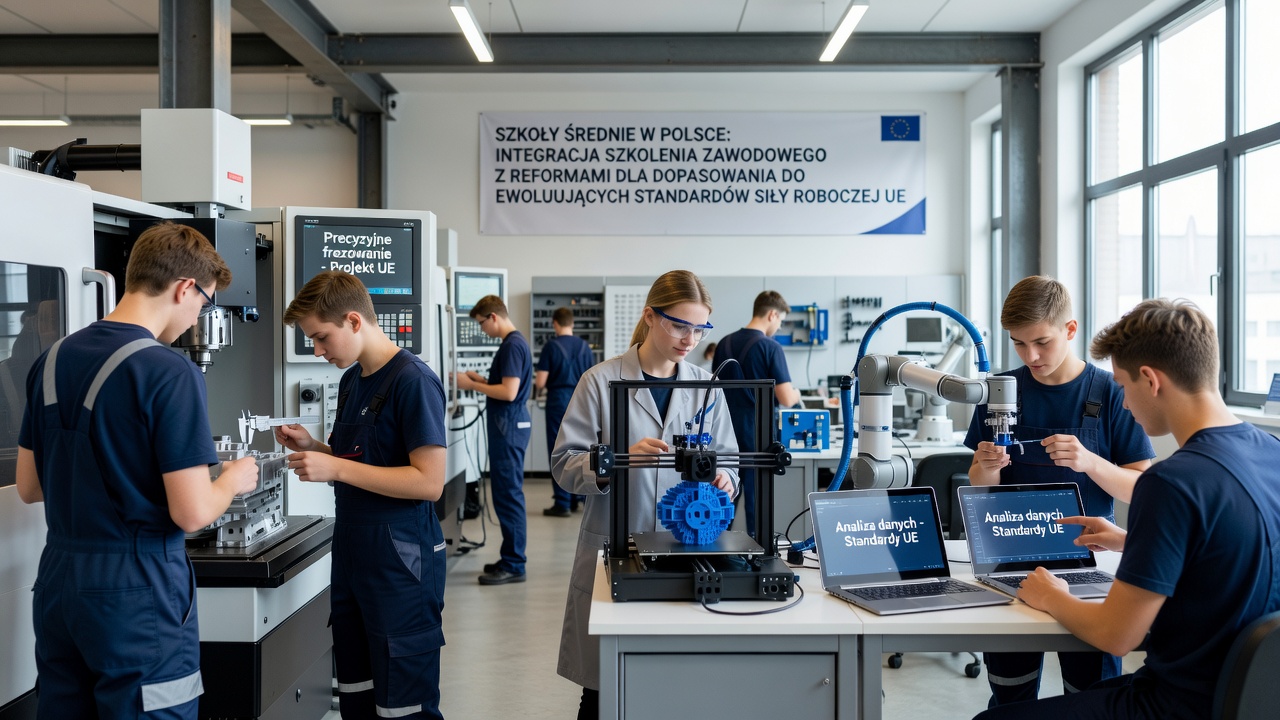
Polish secondary schools have begun rolling out vocational training reforms designed to align curricula with shifting EU workforce requirements, and these changes build on directives from the European Centre for the Development of Vocational Training. The updates focus on skills such as digital literacy, green technologies, and cross-border mobility, while data from national education agencies shows enrollment in technical tracks rising steadily since 2023. Observers note that the reforms address gaps between traditional academic paths and emerging job markets across member states, and implementation timelines include full rollout of updated modules by September 2026.
EU Workforce Standards Driving the Changes
The European Union has emphasized vocational education as a tool for economic competitiveness, and Cedefop reports highlight how member countries must adapt training to sectors like renewable energy and advanced manufacturing. Poland's Ministry of Education participates in these frameworks through the European Qualifications Framework, which sets common benchmarks for skill recognition across borders. Research indicates that countries adopting similar alignments see improved youth employment rates, while Polish officials reference OECD analyses showing demand for hybrid technical and soft skills in the coming decade. These standards encourage schools to blend classroom instruction with workplace apprenticeships, and partnerships with regional industries provide students access to real-time equipment and processes.
Key Elements of the Polish Reforms
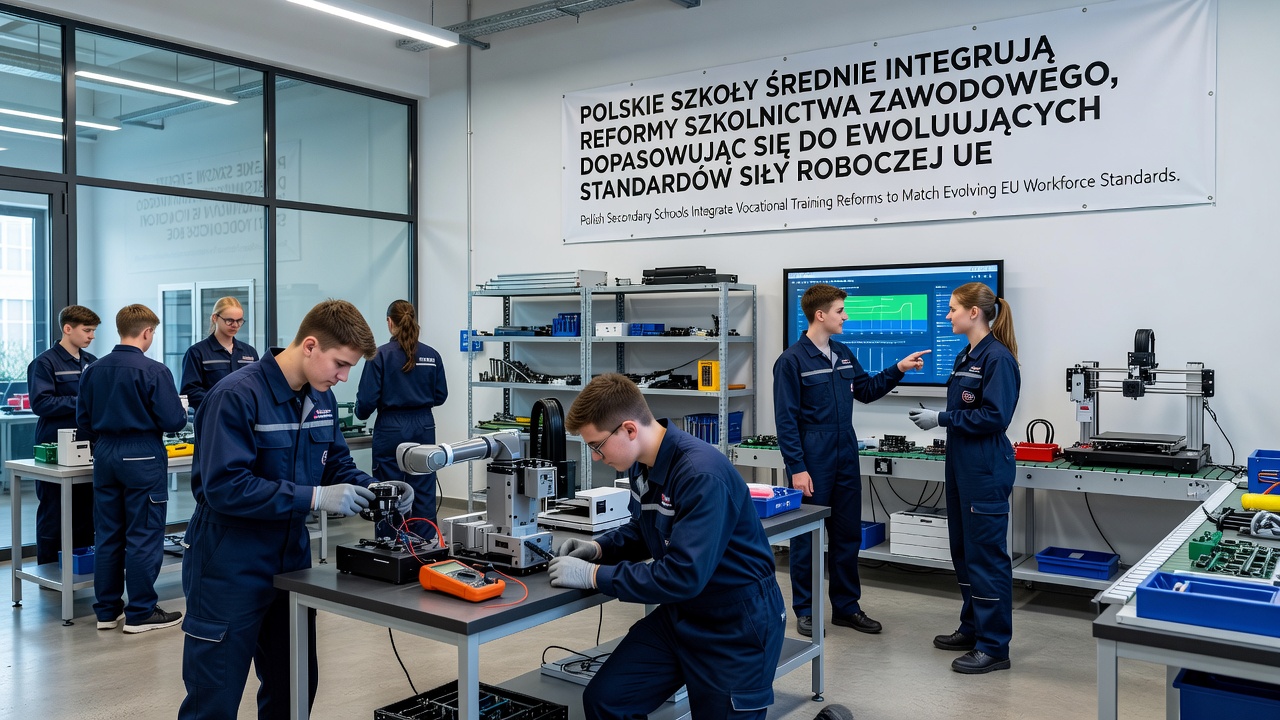
Secondary institutions now require students in vocational streams to complete at least 30 percent of their program hours in practical settings, and this adjustment replaces older models that prioritized theory over application. Curriculum updates introduce modules on sustainable practices and data analytics, while language training incorporates EU-specific terminology to support mobility programs like Erasmus+. Figures from the Central Statistical Office reveal that over 40 percent of secondary students opted for vocational tracks in the 2025 academic year, up from 32 percent five years earlier. Schools receive targeted funding to upgrade workshops, and teacher training initiatives focus on new assessment methods that evaluate both technical proficiency and collaborative problem-solving. What's interesting is how these elements connect with broader EU goals for lifelong learning, as the reforms allow credit transfers that let graduates continue education or enter employment seamlessly across member states.
Local education authorities coordinate with chambers of commerce to identify priority sectors, and this collaboration results in tailored tracks for automotive engineering, logistics, and information technology. One district in Silesia piloted a green energy program in 2024 that expanded to 15 additional schools by the following year, and participants earned certifications recognized under EU directives. Data shows reduced dropout rates in these integrated programs compared with previous standalone vocational courses, and administrators attribute the improvement to hands-on components that keep students engaged.
Timeline and September 2026 Milestones
Preparatory work began in 2024 with pilot programs in major cities, and national guidelines issued in early 2025 set the stage for wider adoption. By September 2026 all secondary schools offering vocational paths must demonstrate compliance with the new competency matrices, which include mandatory digital portfolio assessments. Education ministry documents outline support structures such as regional coordinators who assist with curriculum mapping and industry linkages. Researchers at Polish universities track early outcomes through longitudinal studies, and preliminary findings point to stronger alignment between school outputs and employer needs in manufacturing hubs. The phased approach allows institutions time to adjust staffing and resources, while avoiding disruptions to ongoing student cohorts.
Challenges and Support Mechanisms
Implementation faces hurdles including uneven infrastructure across urban and rural districts, and some schools report delays in procuring specialized equipment. Government allocations address these disparities through targeted grants, and partnerships with private firms supply additional tools on a loan basis. Teacher unions participate in consultation rounds to refine evaluation criteria, and this input helps balance academic rigor with practical demands. International comparisons from bodies like the OECD suggest that sustained investment yields measurable gains in workforce readiness, and Polish planners draw on those patterns when adjusting annual targets. Yet the process remains iterative, with feedback loops built into the system to refine modules based on labor market data collected quarterly.
Conclusion
The integration of vocational training reforms in Polish secondary schools reflects coordinated efforts to meet EU workforce standards through updated curricula, practical placements, and recognized qualifications. As September 2026 approaches, the focus shifts to full-scale delivery and ongoing monitoring, while available data tracks progress in enrollment, completion, and employment transitions. These developments position the system to respond to evolving economic conditions across the region, and continued collaboration among educators, industries, and EU agencies supports the long-term objectives outlined in current policy documents.