Klara Powell · 10 October 2026
Revival of Overseas Study Opportunities and Impacts on Domestic Institutions
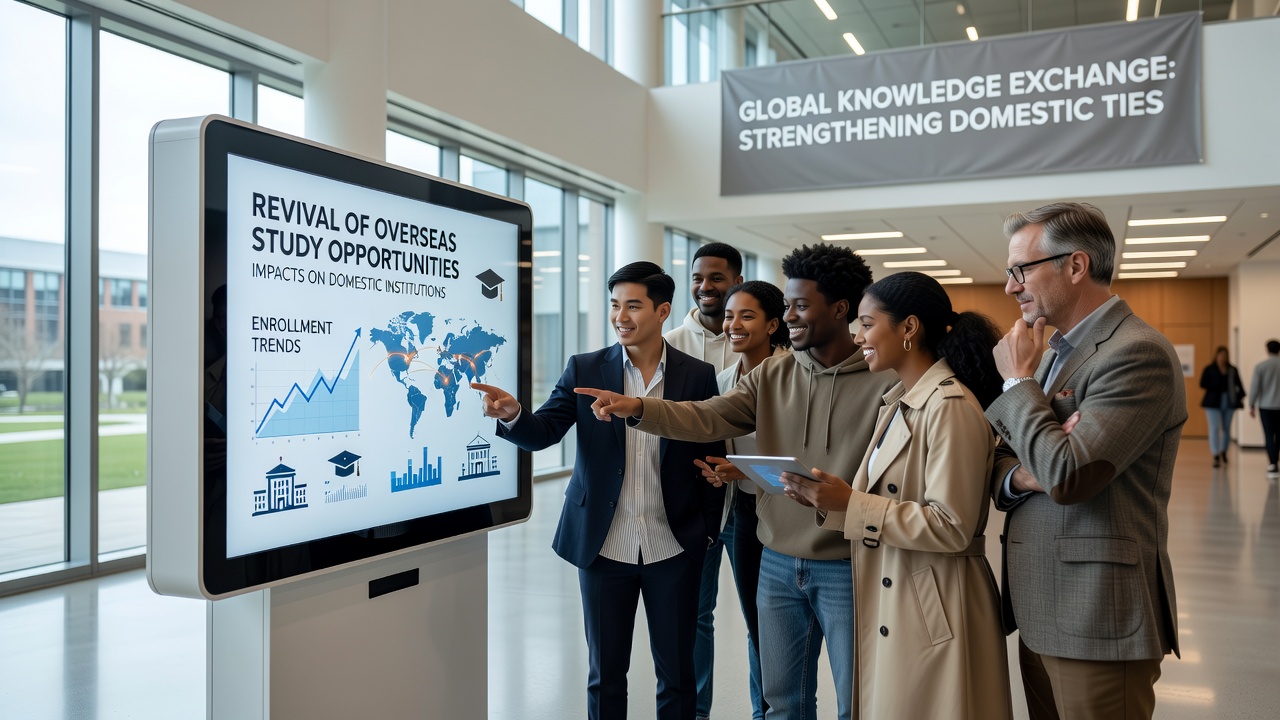
International student mobility has shown steady recovery since the disruptions of earlier years, and data from multiple regions indicate that outbound numbers from several countries reached pre-2020 levels by mid-2025 while continuing upward through 2026. Researchers tracking enrollment patterns note that destinations such as Australia, Canada, and Germany reported combined increases of over 15 percent in new international arrivals during the 2025 academic year, according to figures compiled by national education agencies. These trends reflect expanded visa processing capacity, renewed scholarship programs, and growing institutional partnerships that facilitate credit transfers and dual-degree options.
Drivers Behind the Increased Mobility
Policy adjustments across source and host nations have played a central role, since governments in Asia and Europe introduced streamlined application procedures and additional funding streams that lower financial barriers for qualified applicants. Universities in the United States and the United Kingdom expanded recruitment events and virtual information sessions, which in turn allowed prospective students to compare programs more efficiently than before. Observers tracking these developments point out that improved digital platforms for application tracking and language assessment have reduced administrative delays, enabling cohorts to begin studies on schedule rather than facing multi-month postponements.
Effects on Domestic Enrollment and Resource Allocation
Domestic institutions have experienced measurable shifts in enrollment composition as larger numbers of their strongest students pursue overseas options, and several public universities in Europe documented a 4 to 8 percent decline in first-year retention within selective undergraduate programs between 2024 and 2026. Funding models tied to headcount have therefore required adjustments, prompting administrators to reallocate portions of departmental budgets toward international recruitment offices and enhanced online learning infrastructure that can serve both local and remote learners. Research indicates that institutions facing these outflows have accelerated development of joint research centers and faculty exchange agreements to maintain academic output while students complete portions of their degrees abroad.
Institutional Responses and Program Innovations
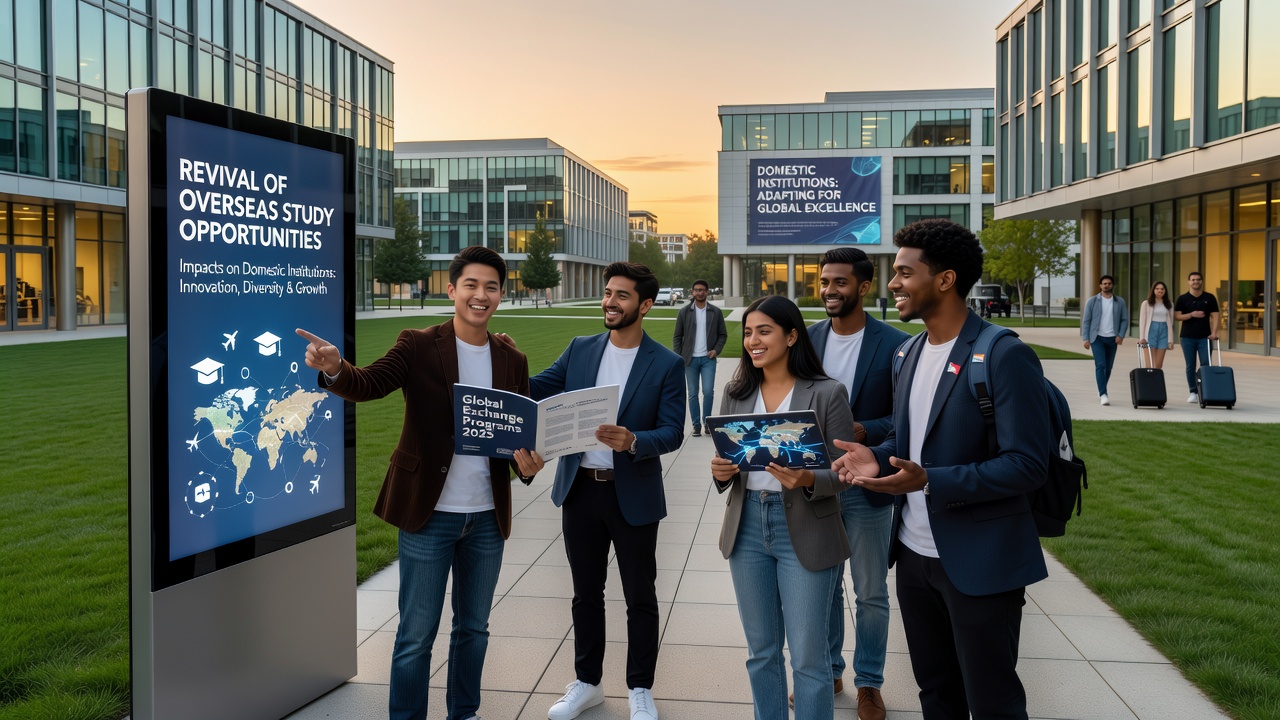
Many universities have introduced short-term mobility modules that allow students to spend one semester overseas without extending overall degree timelines, and these formats have proven popular because they combine academic credit with targeted language or internship components. Data collected by regional higher-education consortia show that participation in such hybrid arrangements rose sharply after October 2025 when several pilot programs expanded eligibility criteria to include students from non-traditional fields such as engineering technology and agricultural sciences. Domestic campuses have also strengthened career-services linkages with multinational employers, creating clearer pathways that demonstrate how overseas experience translates into post-graduation employment advantages within specific industries.
Partnership agreements have multiplied as well, with agreements signed between institutions in Poland and counterparts in Australia during late 2025 that establish reciprocal tuition waivers for limited cohorts each year. These arrangements help offset revenue losses at home while giving students access to specialized facilities and research environments unavailable domestically. Government reports from Canada and New Zealand highlight similar bilateral frameworks that include joint quality-assurance reviews, ensuring that transferred credits meet consistent standards across borders.
October 2026 Developments and Forward Projections
By October 2026, preliminary enrollment reports from major receiving countries already signaled another incremental rise, with visa issuance volumes up approximately 9 percent compared with the same period in 2025. National statistics agencies in the European Union released updated mobility dashboards that allow institutions to monitor real-time application trends and adjust recruitment accordingly. Analysts following these indicators note that continued growth depends on sustained economic conditions in sending countries and stable geopolitical relations that affect travel and visa policies.
Conclusion
Domestic institutions continue to adapt curricula and support services in response to shifting student preferences, and the evidence accumulated through 2026 demonstrates that strategic internationalization can coexist with strong local program offerings. Partnerships, flexible study formats, and targeted funding mechanisms have emerged as practical tools that help universities balance outbound mobility with sustained campus vitality. Ongoing data collection by international organizations will provide further clarity on long-term patterns as the current revival phase matures.